Being a Driver
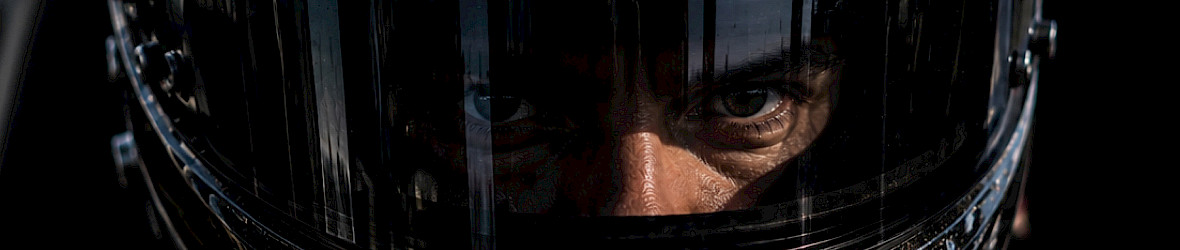
Every car has a person in it.
Being a driver starts long before you reach turn one. It starts the moment you enroll. From that point, every car on that grid is driven by someone who gave their time, their preparation, and their commitment to be there, the same as you.
On track, respect is not passive. It is a decision you make in every braking zone, every wheel-to-wheel battle, every moment you choose to give space or hold your line cleanly. You do not have to be slow to be respectful. But you do have to be aware that your actions have consequences for the people around you.
The race is won or lost before it begins.
Discipline is what separates a fast driver from a complete one. It is showing up to qualifying with your setup dialled, your tyres understood, and your lines mapped. It is managing fuel and wear not because you have to, but because you respect the simulation you signed up for.
Every event here runs at maximum simulation settings. Permanent damage. Tyre degradation. Fuel consumption. That is not a detail, it is the foundation of everything we do. The regulation exists to protect that experience. Uphold it, and let the racing speak for itself.
When you make an error, own it immediately. Yield the position. Self-report. Do not wait to be caught. That is not weakness, it is the discipline that earns the respect of every driver on the grid.
How you finish matters less than how you carry it.
Bad races happen. Penalties happen. You will miss a braking point in a fight that cost you three positions. You will lose a race you deserved to win. How you carry that moment defines you far more than the result itself.
Resilience is not ignoring frustration, it is choosing what you do with it. You study the replay. You ask the question you should have asked. You come back to the next race with more knowledge than you left with. The drivers who grow fastest here are not the ones with the most talent. They are the ones who refuse to stop learning.
Decisions are final. That is not the end.
The Race Director holds authority over every penalty decision and regulation interpretation in their event. You will not always agree. That is normal, and your right to feel. But disagreement does not entitle you to disrespect, protests without evidence, or public disputes that undermine the grid.
The protest procedure exists precisely because your voice matters. Use it. Trust the structure, even when it is uncomfortable. It is the same structure that protects you when someone wrongs you on track.
This is still supposed to be the best part.
Everything you read above, the rules, the conduct, the accountability, exists for one reason: to make the racing worth having. Clean, fast, hard racing between drivers who trust each other enough to fight properly.
The battles you will remember are not the ones where you won easily. They are the ones where you and another driver raced wheel-to-wheel for three laps and both came out of it with a handshake, even if only figuratively. Those moments do not happen without structure. They happen because of it.
Come to the grid to push your limits. Build friendships that outlast any championship. The fastest lap you ever set might matter less than the corner you gave away cleanly because it was the right thing to do.
You do not just drive fast here. You become better under pressure. Better with others. Better at carrying both success and frustration.